

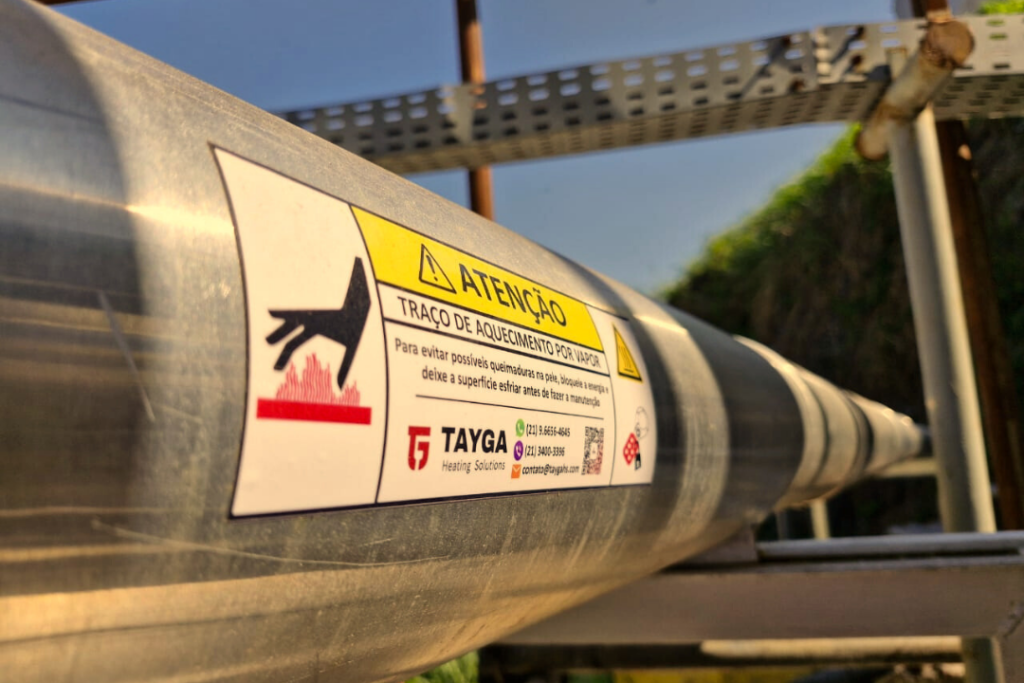
“Thermal insulation in Electric Tracing and Steam Tracing systems is essential to improve energy efficiency, ensure operational safety and increase the durability of equipment. Este artigo destaca como o uso adequado de materiais isolantes reduz a perda de calor, contributes to environmental sustainability, and optimizes performance in industries that require precise temperature control in their processes.”
Thermal insulation is an essential component in any industrial heating system., especially in Electric Tracing and Steam Tracing solutions. Its function goes far beyond simply maintaining heat. It plays a crucial role in energy efficiency, operational security and system longevity, ensuring that industrial processes occur continuously and economically.
1. The Role of Thermal Insulation in Temperature Control
Electric Tracing and Steam Tracing systems are widely used in industries to maintain or raise the temperature of piping and equipment., especially in processes involving fluids or gases that need to be maintained at specific temperatures. Thermal insulation is essential to ensure that the heat generated is used efficiently, minimizing losses to the external environment.
Unintended, thermal energy dissipates quickly, requiring the heating system to consume more energy to maintain the ideal temperature. This not only increases the operating cost, but it also overloads the system, accelerating component wear and reducing equipment life.
2. Energy efficiency and cost reduction
One of the main benefits of thermal insulation is improving the energy efficiency of Electric Tracing and Steam Tracing systems.. By minimizing heat losses, insulation allows energy to be used more effectively, resulting in lower energy consumption.
Energy efficiency is not only reflected in operational cost savings. Industries that adopt effective insulation solutions also contribute to environmental sustainability, reducing the “footprint” (I don't know that term) carbon emissions from its operations. With increasingly strict environmental regulations, the adoption of practices that increase energy efficiency is a competitive advantage in the industrial market.
Besides that, The savings generated by using adequate insulation can be significant over time. Lower energy costs and less wear and tear on systems are just some of the financial benefits that companies can obtain.
3. Operational Security
Thermal insulation also plays a critical role in the safety of industrial operations. Electric Tracing and Steam Tracing Systems can reach very high temperatures, which poses a risk to workers and equipment.
Adequate thermal insulation protects employees by avoiding direct contact with hot surfaces, reducing the risk of burns or other accidents. Besides that, it contributes to the security of the system itself, avoiding thermal overload and preventing component failures that could lead to more serious incidents, such as fires or explosions.
Compliance with safety standards and regulations, such as NR-10 and NR-12 in Brazil, is essential for any industrial operation. The correct use of insulating materials directly contributes to this compliance, ensuring that operations occur in a safe and controlled manner.
4. Durability and Maintenance of Systems
Proper use of thermal insulation in Electric Tracing and Steam Tracing systems not only increases efficiency and safety, but also extends the useful life of equipment. By preventing heat dissipation, insulation helps reduce thermal stress on system components, preventing premature wear.
Well-insulated systems require less corrective maintenance and have a lower frequency of failures, what, in turn, reduces production downtime. Besides that, preventive maintenance of insulation systems is relatively simple, consisting of regular inspections to ensure that the insulating material is in good condition and properly adjusted.
5. Materials Used in Thermal Insulation
The materials used for thermal insulation in Electric Tracing and Steam Tracing systems are diverse and selected based on the specific needs of each application.. Among the most common materials are:
- Fiberglass: A widely used material due to its high thermal resistance and ability to withstand high temperatures.
- LÃ mineral: With excellent heat resistance, Mineral wool is used in applications where robust, long-lasting insulation is required.
- Insulating foams: Ideal for applications where lightweight, flexible insulation is required.
Each material has unique characteristics, as compressive strength, durability and behavior against humidity, that should be considered when choosing the right type of insulation for each system.
6. Isolation and Sustainability
In times of growing concern about environmental sustainability, thermal insulation also stands out as a solution that helps industries reduce their environmental impact. In addition to reducing energy consumption, insulation reduces the need for carbon offsetting, contributing to the achievement of sustainability goals.
Companies committed to efficiency and sustainability, like Tayga, develop thermal insulation solutions that not only meet regulatory requirements, but also help their customers achieve their own environmental goals.
7. Conclusion
Thermal insulation is a fundamental part of Electric Tracing and Steam Tracing systems, ensuring these systems operate at maximum efficiency, safety and durability. By investing in high-quality insulation, industries can optimize their processes, reduce costs, increase the useful life of equipment and, above all, protect your employees and the environment.
Na tayga, We understand the importance of thermal insulation and work with the best solutions on the market to ensure that our heating systems meet the most stringent efficiency and safety requirements.

DDiscover how Tayga heating solutions can transform your industrial operations.
Get in touch today to learn more about our services and how we can help you achieve excellence on your next project.

We are available through do site (click here) or by e-mail contato@taygahs.com or at phone and Whatsapp (21) 9.8819-3687.
We also recommend reading our materials on the heating and insulation systems implemented by Tayga (just click and you will be redirected):